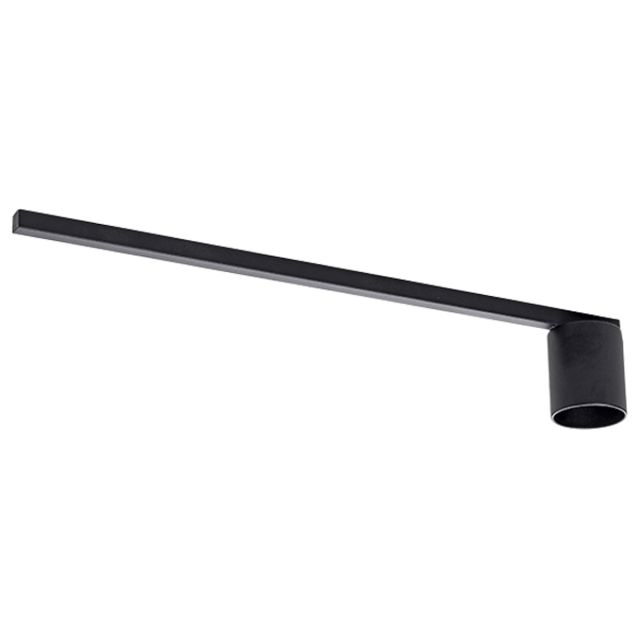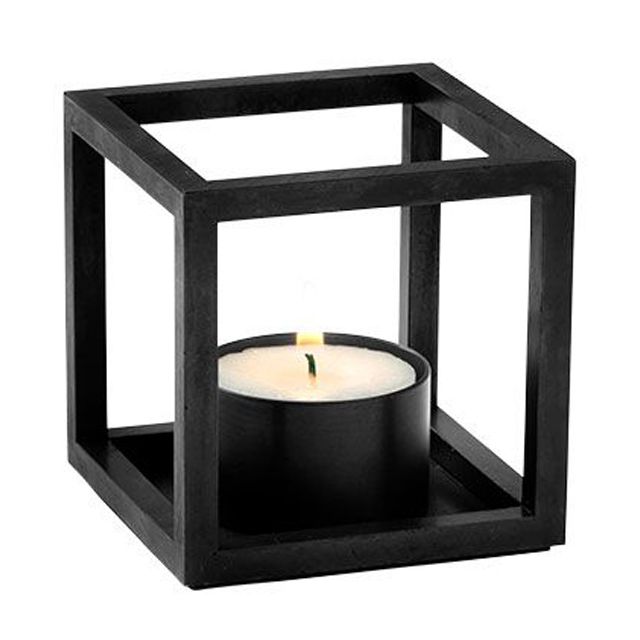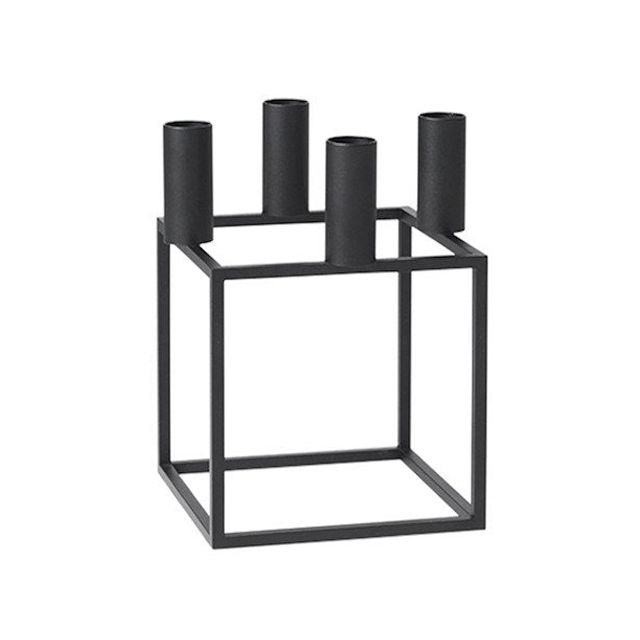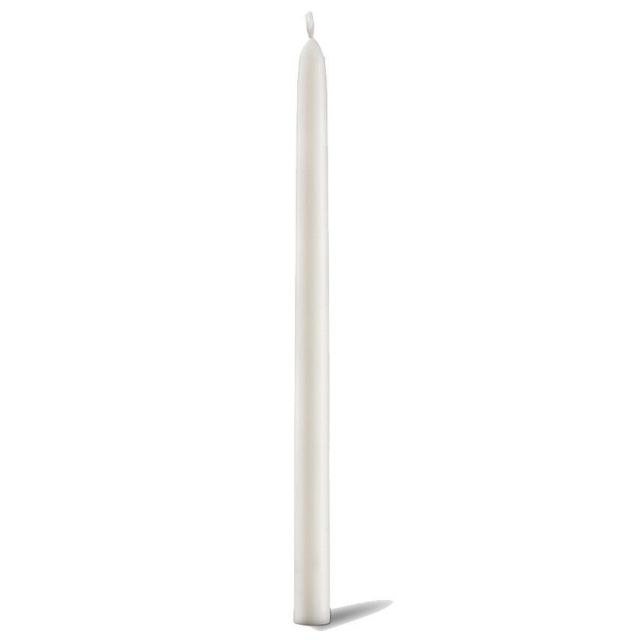

by Lassen Kubus Micro Candle Holder
A new small wonder has seen the light of day. Kubus Micro is a stylish, smaller version of the iconic Kubus candleholder and is also designed by Mogens Lassen. It is based on the exact same mathematical geometry as The very first Kubus Candleholder Mogens Lassen designed in 1962. Just very much smaller. Precisely half the size of Kubus 1. The Kubus-shape frames the light beautifully and adds a minimalist expression to the table setting. Kubus Micro fits a single candle and is perfect for all kinds of festivities, where the table must be beautifully laid, and you want a very special atmosphere. The candleholder works alone in a beautiful still life or arrange several together for a greater effect. A beautiful table for the last celebrations of the year Kubus Micro creates just the right atmosphere at this year’s Christmas and New Year table for a sharp and minimalist expression. The cubistic shapes add a graphic and timeless element, and the iconic design can therefore act as the mainstay of the table setting year after year. The expression on the Christmas table can easily be varied with flowers, napkins or new tableware, while Kubus Micro acts as a traditional eye-catcher year after year. If you keep the table setting in black, silver and white, the same elements can also be used for a festive New Year’s Eve. Kubus Micro comes in a package with 2 small candleholders, so they can decorate nicely together in the windowsill, on the dinner table, dresser or even as Advent candles. Kubus Micro is produced at by Lassen's own factory in Denmark and is the epitome of Danish design.
MEASUREMENTS:
- Height: 1.4 inch
- Width: 1.3 inch
- Length: 1.3 inch
MATERIALS:
- Metal

Mogens Lassen
1901 - 1987
When he was only a child, Mogens Lassen already knew that he would one day become an architect. He purchased books about architecture with his pocket money and surveying and sketching buildings was his hobby. As he was dyslexic and funds were limited, Mogens entered the world of architecture by undertaking an apprenticeship. However, he was also involved in the academic world and turned his skills to assisting with the projects awarded to his friends and colleagues Ole Wanscher, Arne Jacobsen and Finn Juhl. Around this time, Mogens was asked to join the renowned studio of architect Tyge Hvass, becoming a highly respected employee. In 1927, he travelled to Paris and was hired to work for an engineering company. With little grasp of the French language, he did not enjoy the work and became frustrated that his sketches were restricted by the practical nature of the job. Drawing uninspiring facades was almost painful for him. Despite the challenges, it was Paris that shaped Mogens Lassen. He adored the open kitchens found in the city’s restaurants – they were full of life and, for Mogens, represented the most important room in the house. It was also here in Paris that he was first acquainted with Le Corbusier, who became a source of ongoing inspiration. During his time in Paris, Mogens was honoured with the offer of a place in Le Corbusier’s studio, which he gracefully refused, feeling that his French was not good enough.
Upon his return to Denmark, Mogens opened his own studio. Later on, he also worked as the architect for ‘Den Permanente’, an annual exhibition of Danish arts and crafts, becoming part of the movement that promoted Danish design that would make it internationally renowned. ‘Den Permanente’ became a huge success and an obligatory tourist attraction, although Mogens never took credit for it. Mogens was a modest man by nature and not the type who cared about becoming rich and famous.
He was always sketching, even on Christmas Eve, and passed away with a pencil in his hand. He loved to retreat to his workroom, which was more of a cave with small pathways carved out between mountains of papers and objects. It was anything but simple and stringent, but Mogens loved the cave’s qualities and the feeling of security it conferred. In fact, he applied this ‘cave’ concept to the houses that he designed, where windows would never face each other directly across the room.
This is how one of the fathers of functionalism in Denmark, Mogens Lassen, lived his life, which later brought international fame to Danish design and countless awards and medals, including the C.F. Hansen Medal, Denmark’s highest architectural honor.

The Lassen brothers' archive of architecture and furniture design represents the finest qualities of the Danish design tradition and deserves a wider audience. To that end, we carefully and humbly select the furniture designs we choose to reintroduce to the world to hopefully live a long life in the homes of future generations as beacons of the Danish design tradition that has inspired so many design talents.
This item qualifies for free door-to-door delivery within Canada, with a few exceptions:
- Orders $150 or less are charged a $35 small order fee at checkout.
- Additional charges apply for Remote Delivery Areas including the Yukon, Northwest Territories, Nunavut, and other remote locations outside of major city centres.
- Small items will be delivered by FedEx or other courier service in your area.
- Large items will be delivered by freight service. This is standard curbside delivery; meaning the driver will not haul up an incline or up stairs, and it will be your responsibility to bring the item inside, complete any assembly, and remove packaging debris.
- For a White Glove Delivery quote which includes unpackaging and assembly, please make a note in the Comments section during Checkout and we will get back to you as soon as possible.
For further information on our shipping policies click here.
For further information on returns + refunds click here.